


What do we mean by bullying?
When we say bullying, we’re talking about someone repeatedly hurting, threatening or being unkind to another. Bullying can affect tamariki and mātātahi at any age, and it may look different depending on the age of your child and their peers. Your child or teen may be being targeted because their loved one has died. They may be left out of games or activities, subject to nasty comments or jokes, or in the worst cases, physically hurt. An increasing number of young people also face cyber-bullying via social media.
What can you do?
1. Believe, listen, validate
- It might be really hard to believe what your tamaiti / child is telling you. You might struggle to believe that other tamariki could be so cruel, or wonder if your child is misinterpreting something. Research shows that children often don’t tell adults they’re being bullied, because they don’t think adults can make a difference or won’t believe them.*
If your child has the courage to tell you, then it’s important to take it seriously.
- Validate their feelings: tell them that you understand how upsetting it is. Reassure them you’re there for them, and that you’ll work on strategies together.
2. Act quickly
- Talk your child through things they can say or do when the bullying happens. Help them plan and practice responses they can respond with in a non-emotional way, to avoid giving the bully power. For example, if they’re being picked on because of the death of a loved one, your tamaiti could respond with: You’re lucky you’ve never had someone die. It’s really hard. They can follow this response with a change of subject or by walking away, for example: I need to go and get my lunch now. Encourage your child or teen to spend time with friends who are supportive and who understand them.
- Talk to a kaiako / teacher or school staff member you trust. Explain what your child has told you, and how you’ve noticed it affecting their hauora / wellbeing. Ask about the school’s bullying policy, and what steps they will take next. If an in-person meeting feels like too much, consider asking a member of your whānau or a friend to meet with the staff member on your behalf. Some kura also suggest putting bullying concerns into an email, so there is a record of the information for any follow-up communication.
3. Get support
- If your think your child or young person needs extra support because of the serious illness or death of a sibling of parent, contact us at Kenzie’s Gift to find out how we can support them and your whānau.
- For further support, have a look at our list of support organisations you can reach out to for help.
I’m not sure it’s bullying, but it still hurts
After the death of a loved one, your child may be sensitive to mean comments or careless words from friends or classmates. They may not be considered bullying, but they can still affect your child or teen’s attitude to school, their social networks and their wellbeing.
Think of casual words on the playground: you were the slowest, you’re dead! For most tamariki, this would be a harmless comment. But if your tamaiti has experienced the death of someone close to them, the phrase ‘you’re dead’ hits differently.
A friend may say: you can’t include your brother as an imaginary friend in our game, that’s just weird. This isn’t intentionally hurtful; many tamariki haven’t had a direct experience of death, and struggle to empathise with what your child is going through. But it can sit heavily for your tamaiti as they navigate friendships and social dynamics in the tough new world of life without their loved one.
For younger tamariki especially, it’s important to explain why their classmates don’t seem to understand, or say hurtful things without realising. Help them practice phrases they can use to communicate with their friends about how they feel. For example: I really miss my mum. Talking about her during the day helps me miss her less.
Make their kaiako / teacher aware of the kinds of comments your child is struggling with. Ask them to keep an eye on what kinds of interactions your tamaiti is having during the day, and look out for signs they may need extra support.
At Kenzie’s Gift, we are working to open up conversations about grief and tough emotions in kura around Aotearoa. We believe this is a crucial part of building support networks for our grieving tamariki, mātātahi and their whānau.
Your wellbeing: why your child being bullied hurts so much
A secondary loss that often comes with grief is the feeling that you have lost control. As mātua, we want to protect our tamariki from pain and suffering. Life shows us that we don’t get to make this choice – death and grief are a part of our reality. All we can do is learn to live alongside them, and help our tamariki do the same.
If your child or young person is being bullied, you’re facing another threat to their wellbeing that feels outside your control. It’s happening away from home, when you aren’t there to protect them, and it can be really difficult to get the full picture. If you are also grieving, this may feel like the last straw.
Remember that you cannot pour from an empty cup. When you need to support child through something tough, your wellbeing matters too. Take a look at our article on self-care when you’re grieving, or for an in-depth dive into balancing your wellbeing with the care of your tamariki, we’ve developed a support kit on Parenting with Grief.
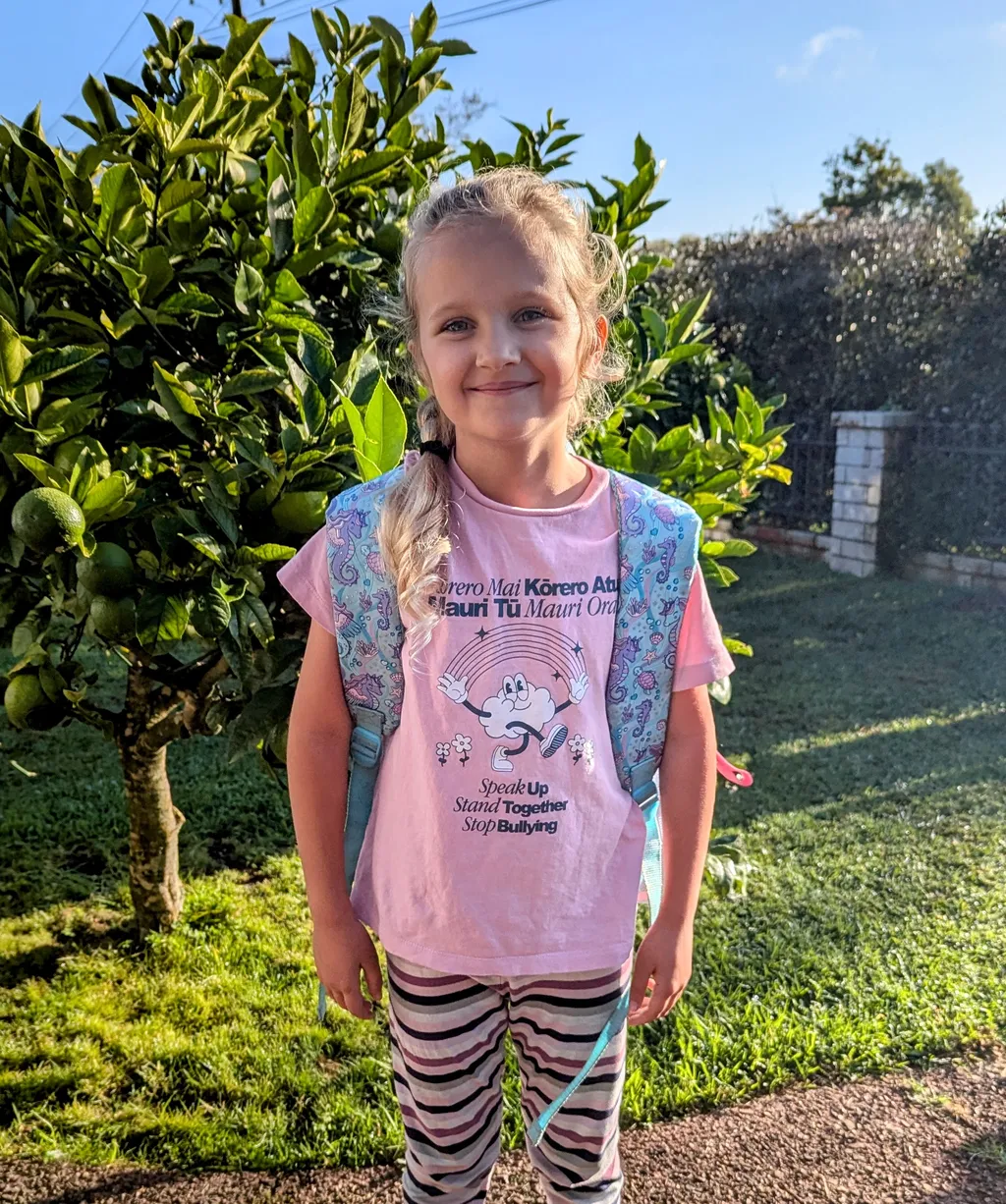
This Pink Shirt Day, we call on our community to Kōrero Mai, Kōrero Atu, Mauri Tū, Mauri Ora
Speak up, Stand together, Stop bullying!


